A neighborhood HUB - rooted in Hope, Unity, and Belonging - providing learning, sharing, and affordable living spaces for working families.
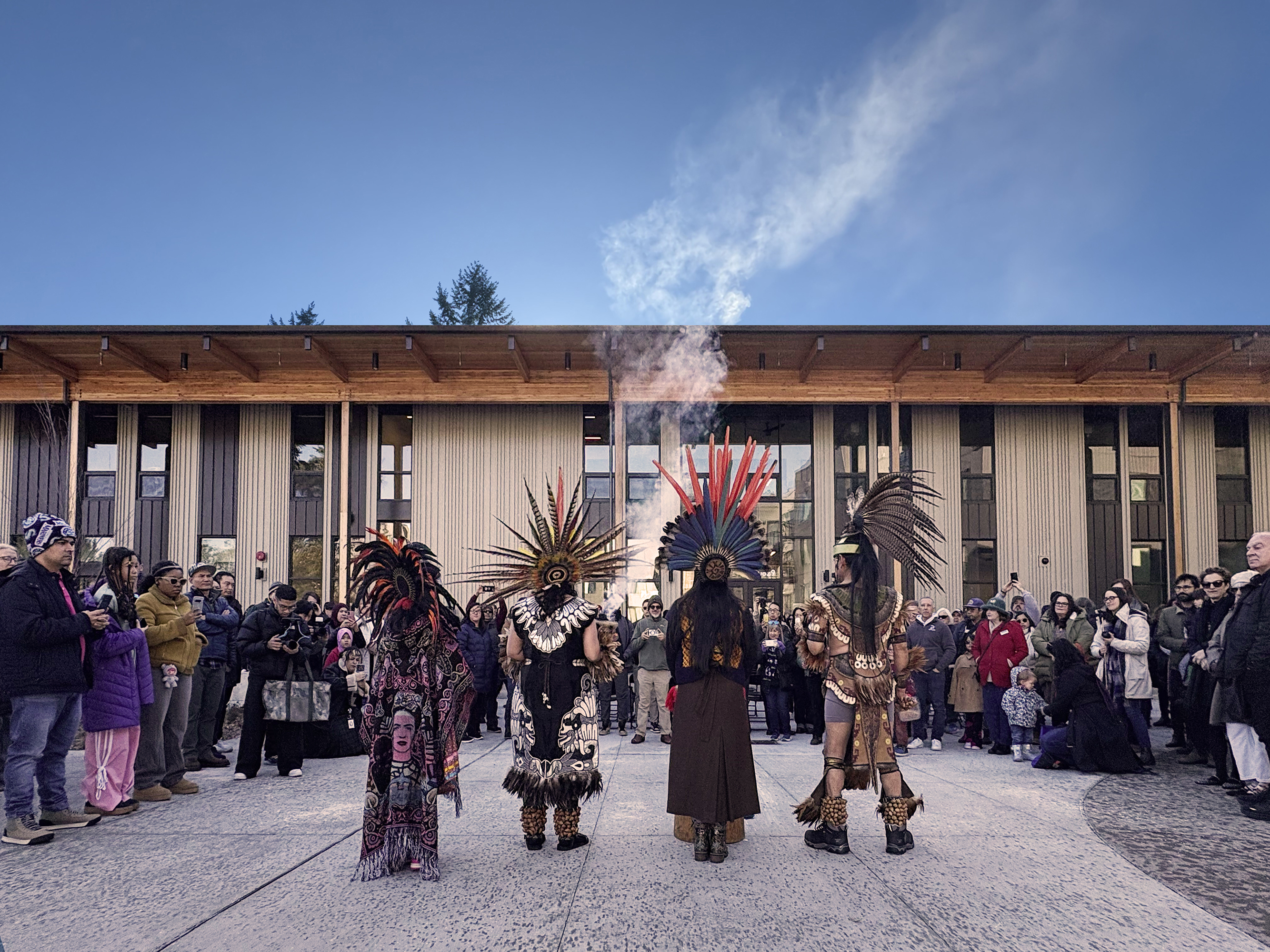
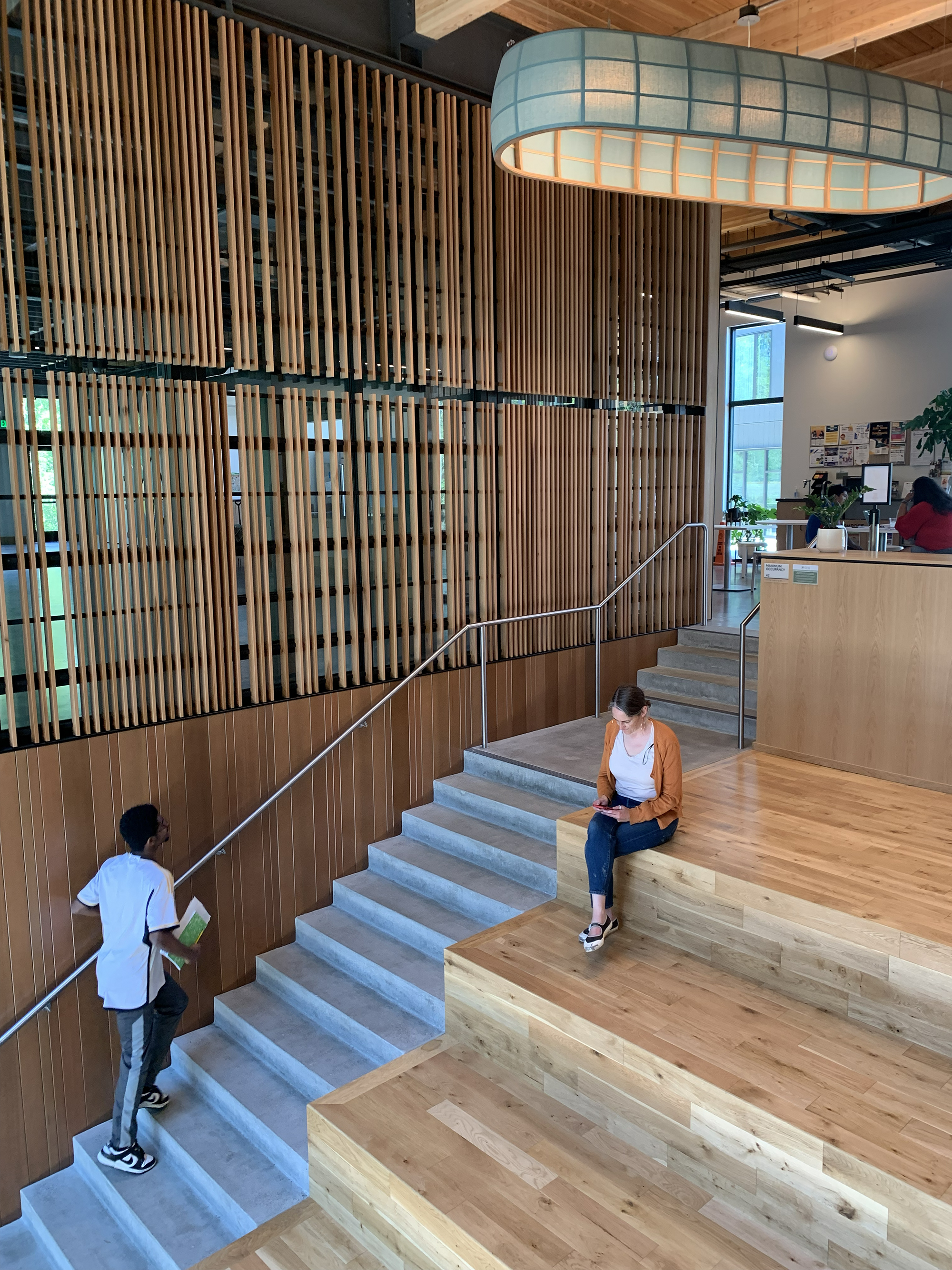
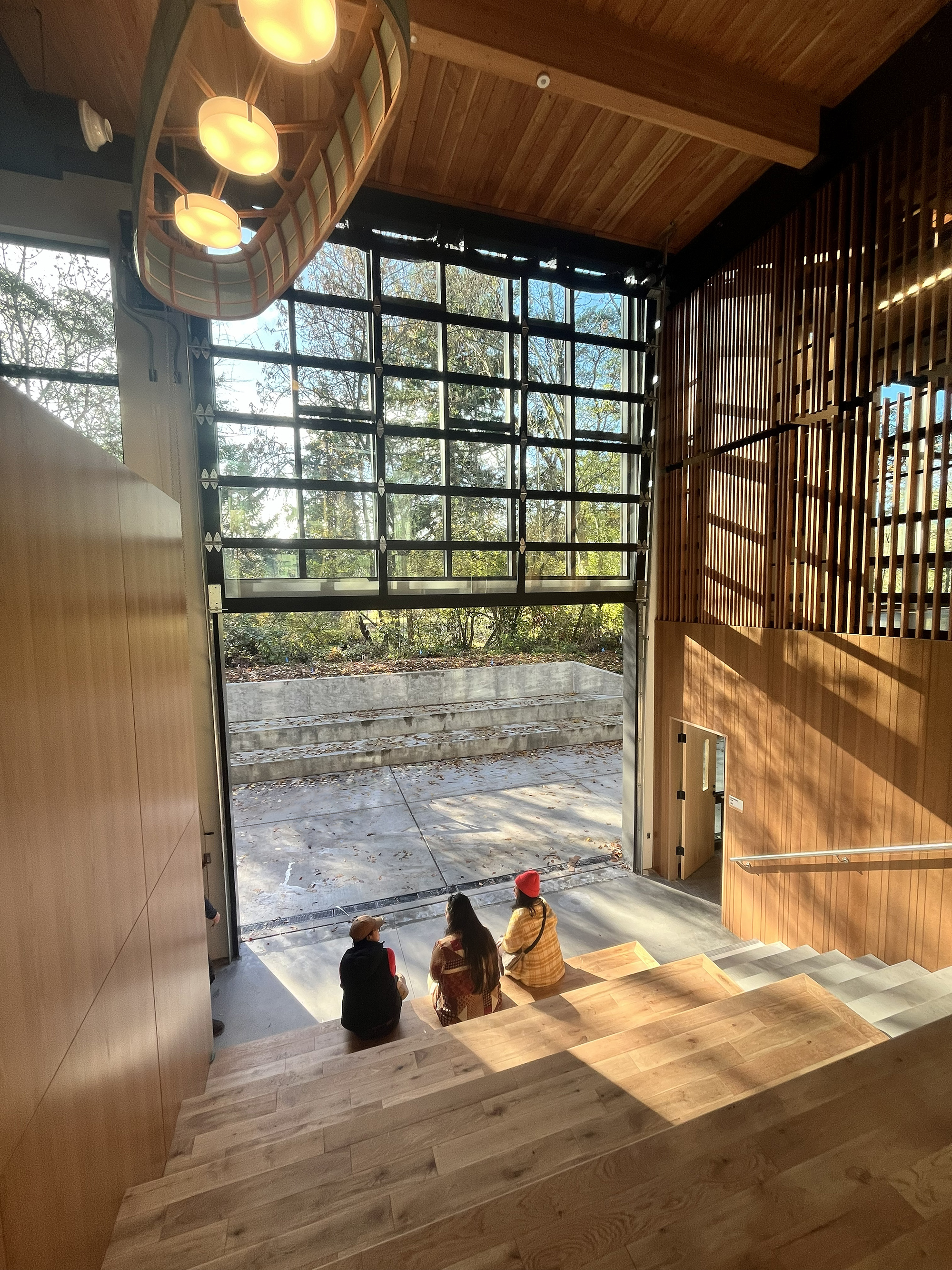
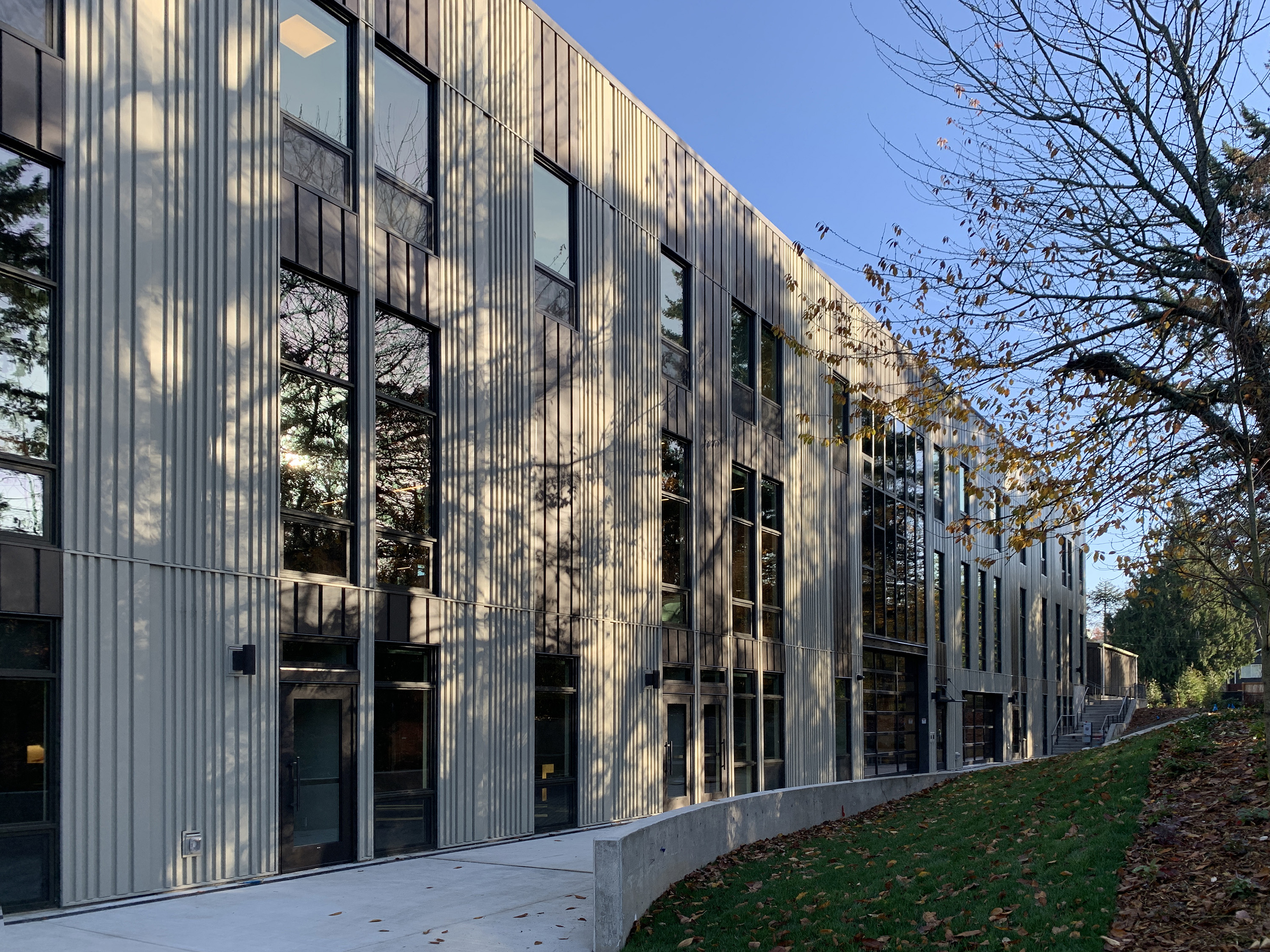
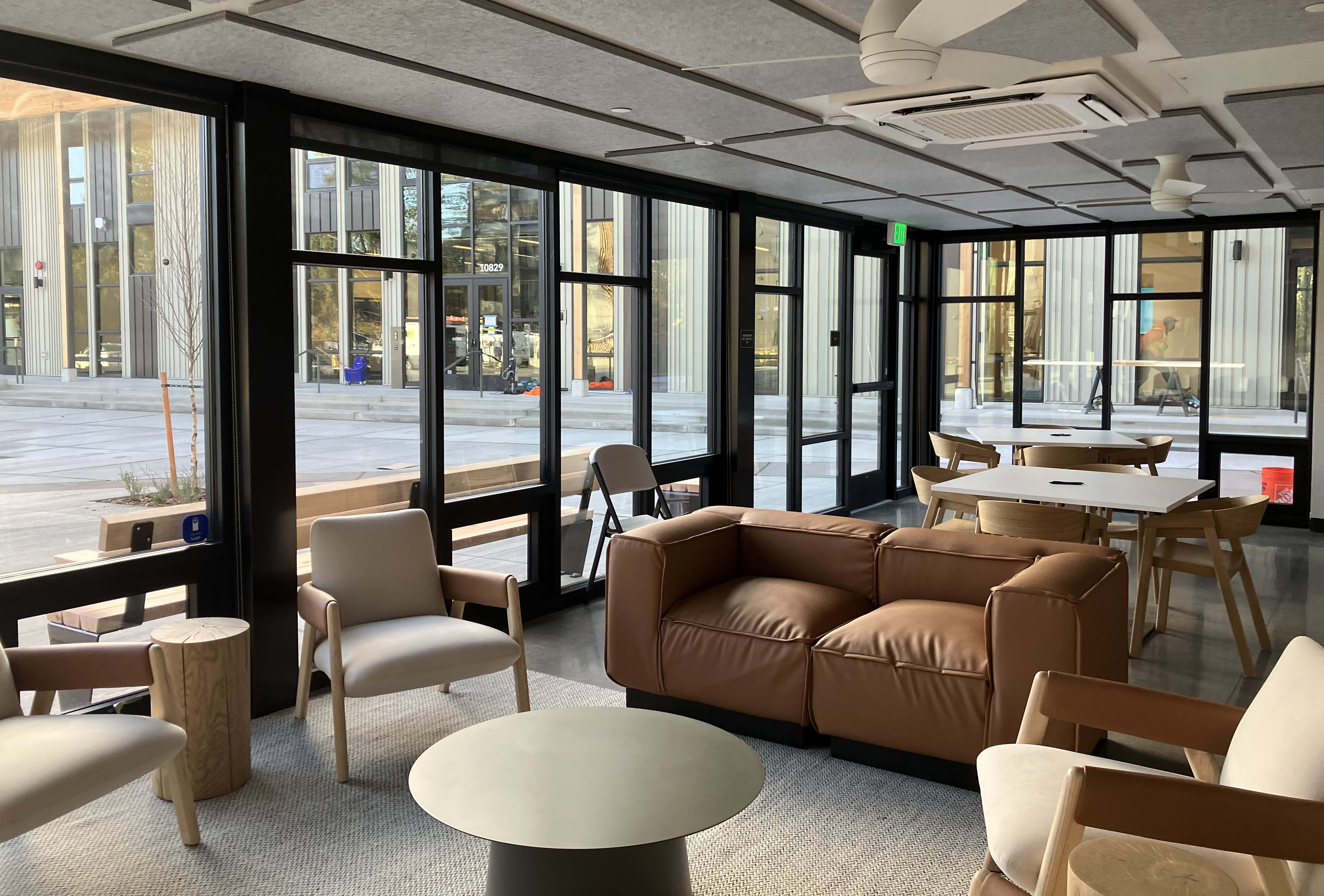
The White Center Community HUB (Hope Unity and Belonging) is a community-led development designed to reflect the priorities, needs, and aspirations of the White Center neighborhood. led by the White Center Community Development Association (WCCDA) in collaboration with Community Roots housing and shaped through years of community engagement, the project brings together affordable housing, health and social services, and shared community spaces into a single, connected campus.
White Center is a diverse, historically immigrant and working class neighborhood that has long faced challenges including limited access to affordable housing, health disparities, and underrepresentation in government. In response, WCCDA initiated an extensive outreach process which identified the "Big Idea": a shared place that combines housing, care, education and cultural gathering to support stability, dignity, and opportunity for working families. Building on this foundation, the design team worked closely with community members and HUB partner organizations through listening sessions and workshops to translate community priorities into the physical form of the project.
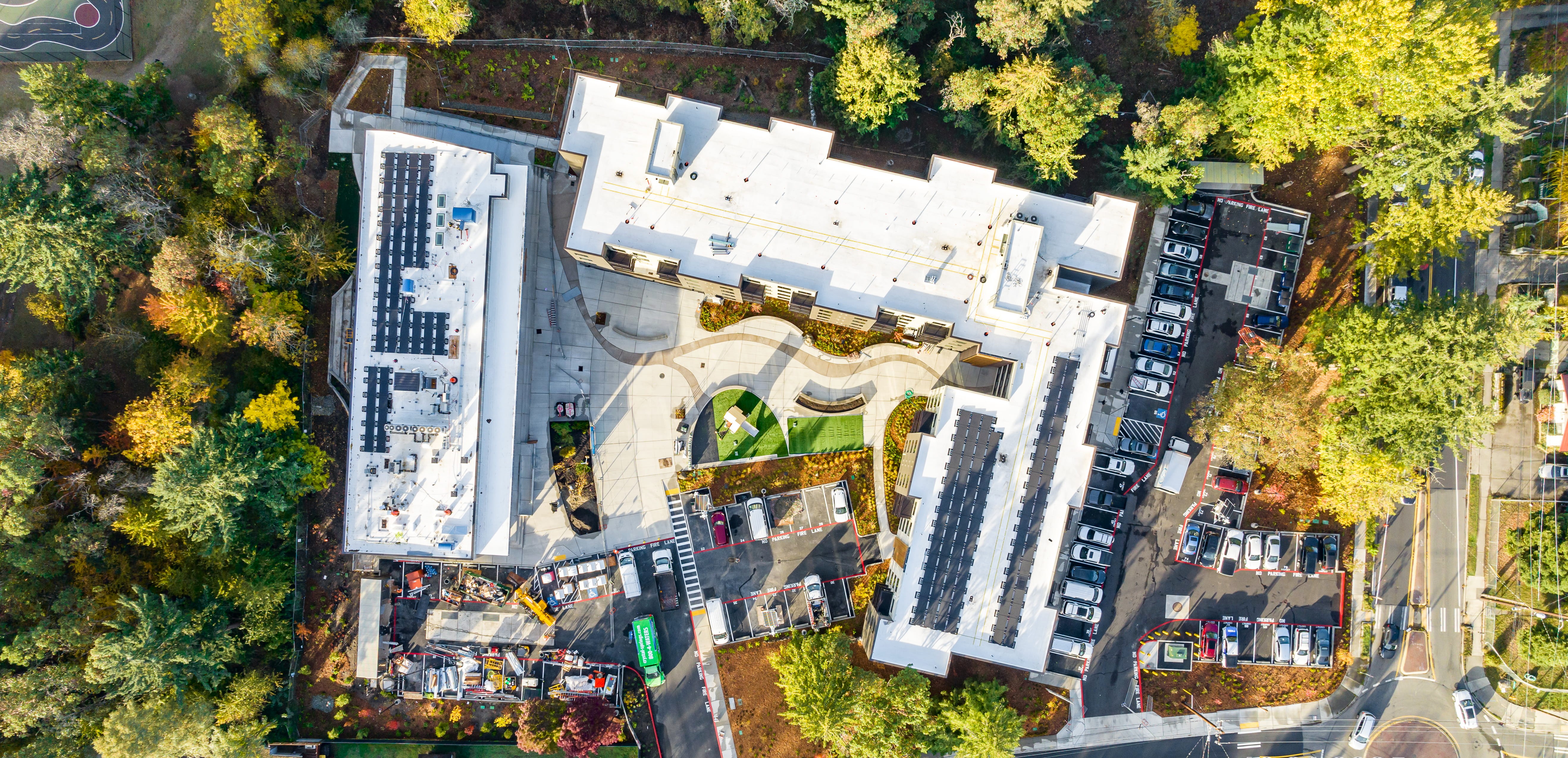
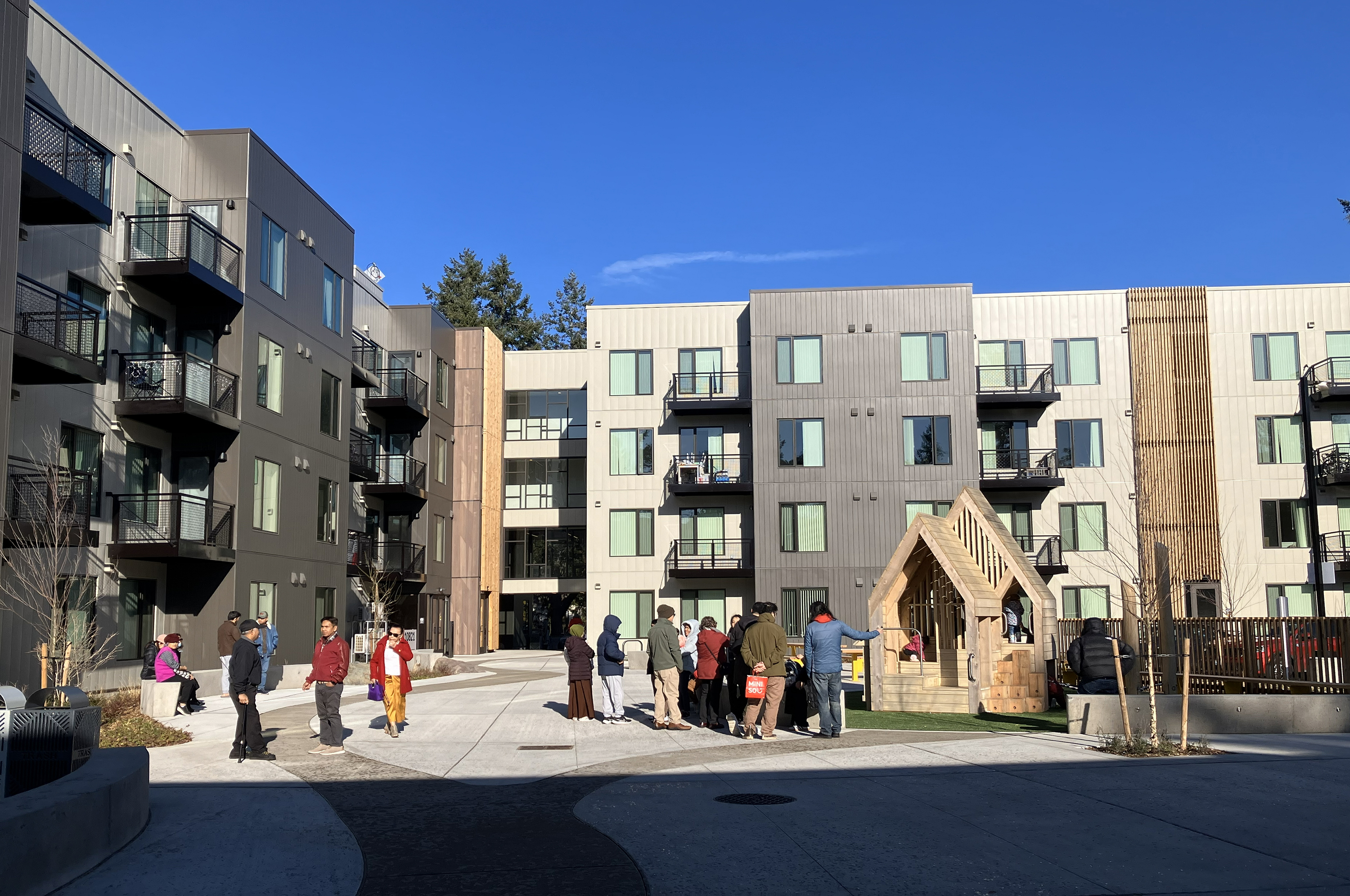
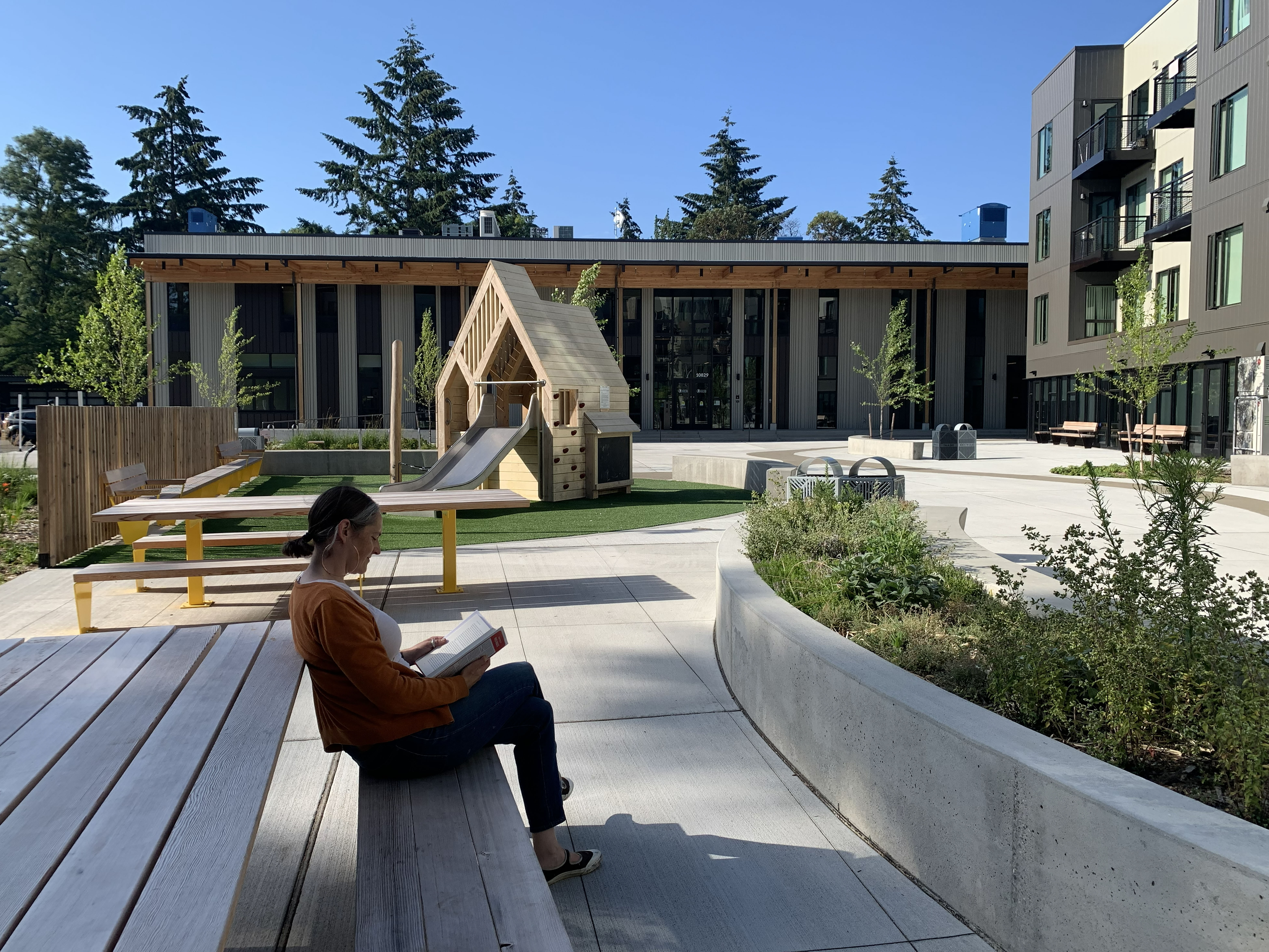
The resulting design organizes the site around a shared central plaza that serves as the heart. The development includes 76 family focused affordable homes alongside a three-story community HUB building that opens directly to the adjacent park. Youth-oriented spaces such as classrooms, a maker space, and recording studio are located on the park-connected lower level, while the main level includes a commercial kitchen, flexible event space, and offices that support daily community life. Quieter health and counseling spaces are located above, oriented toward views of trees and open space to create a calm, supportive environment for care. The affordable housing component, Canopy Apartments, was designed to strengthen connections between residents, the HUB, and the surrounding neighborhood. The buildings are organized around a shared courtyard and play area, with resident amenities such as a community room and centrally located laundry opening onto the plaza, reinforcing everyday interaction and mutual care. Units range in size from 1 to 4 bedrooms.
The project prioritizes healthy, non-toxic materials, low-VOC finishes, durable natural materials, and fossil-fuel-free building systems and the HUB is on target to receive LEED Silver certification. Existing mature trees were preserved to reduce heat-island impacts, and all stormwater is treated on site before entering the adjacent wetland and stream. Solar panels, bike infrastructure, EV charging, and outdoor gathering spaces further support a healthier, more resilient environment.


